
Step Into Joy: Daytime Line Dancing for the 55+ Community
Getting Started With Confidence
Finding Your First Class
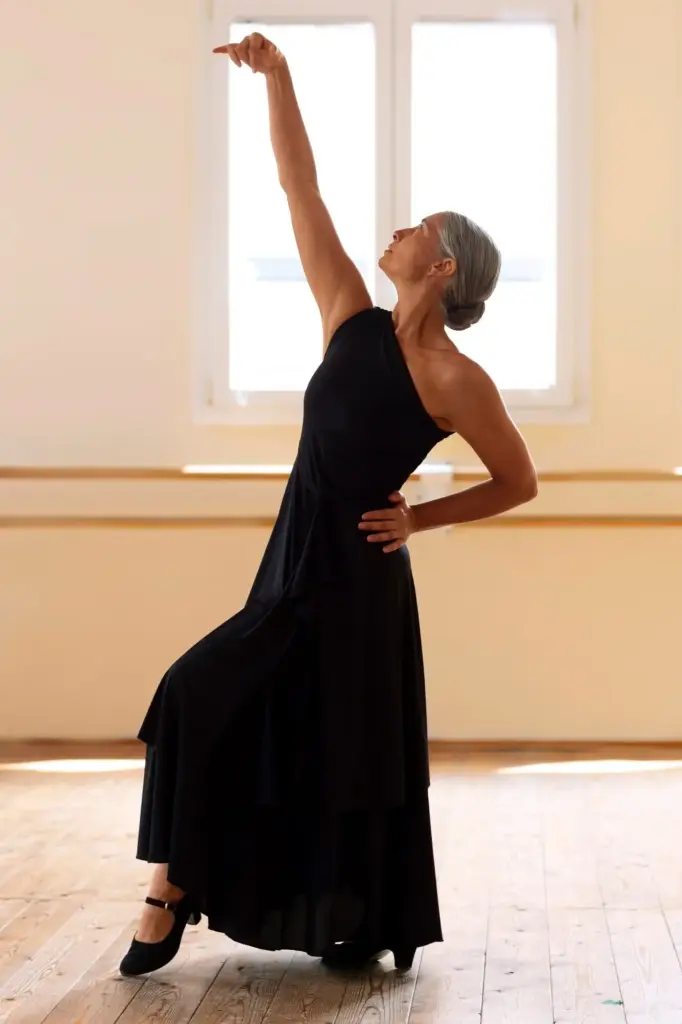
Look for centers that advertise beginner-friendly daytime sessions, ideally with clear pace descriptions and posted playlists. Senior centers, community halls, and parks departments often host affordable classes with ample parking and seating. A quick phone call can confirm accessibility, rest areas, restroom proximity, and whether shoes with smoother soles are preferred, helping you avoid surprises and feel ready to walk in with calm, curious anticipation.
What to Wear and Bring
Choose breathable layers, supportive socks, and shoes with a slight slide to turn safely without tugging knees. Pack water, a small towel, and any comfort items like a brace your clinician approves. Some dancers love low-profile insoles, while others prefer a cushioned heel. Bring your calendar, too, so you can map your next class immediately, reinforcing momentum while enthusiasm is high and confidence is already moving.
Pacing Yourself Wisely
Ease in with shorter sessions or sit out every other song while you learn the cues and get comfortable with turns. Ask the instructor about modifications and step options that reduce twisting or impact. Focus on posture, gentle core engagement, and steady breath. Allow your heart rate to climb gradually, celebrate small endurance gains, and end with a few light stretches so tomorrow’s body thanks today’s effort with grateful, energized steps.

Heart and Lungs in Sync
Gentle intervals of upbeat music raise your heart rate without the strain of sprinting or heavy impact. Breathing deepens naturally when rhythms encourage longer exhalations, and steady sequences help you maintain a comfortable pace. Regular attendance can support endurance, and you can monitor perceived exertion by keeping conversation possible. Over time, you’ll notice everyday tasks feel lighter, making errands and stairs less taxing and more confidently manageable.
Balance, Joints, and Strong Bones
Shifting weight from foot to foot trains ankles, hips, and core to cooperate, which aids stability on uneven sidewalks and prevents missteps. Gentle turns strengthen proprioception, while controlled steps reduce jolting forces on knees. Because dancing is weight-bearing, it can support bone health alongside nutrition and medical guidance. The predictable flooring and studio layout further reduce trip risks, allowing you to practice safely and celebrate steadier, more grounded movement every week.
Brain Boost and Memory
Memorizing sequences, recalling cues, and adapting to tempo changes stimulate cognitive flexibility. New songs require fresh attention, helping build mental agility through enjoyable repetition rather than tedious drills. Social interaction during short breaks adds another protective layer, giving your brain friendly challenges mixed with laughter. Many dancers report improved recall beyond the studio, noticing names and schedules come back easier, and that problem-solving feels smoother after regular attendance becomes a comforting habit.
Social Spark and Community Belonging
Music, Routines, and Styles to Love
Choosing the Right Playlist
Beginner-Friendly Choreography
Daytime Logistics and Practical Planning
01
Transportation and Safety
Choose venues with nearby parking, clear signage, ramps or elevators, and good lighting. If you travel by bus, verify schedules after class to avoid long waits. Consider carpooling to add social connection and reduce costs. Inside, look for tidy floors, visible hydration stations, and chairs along the walls. Keep your personal items secure but accessible. When the environment is predictable and safe, your mind can focus fully on movement and enjoyment.
02
Budgeting and Memberships
Community centers often offer discounted punch cards, monthly passes, or seniors’ pricing. Ask about trial classes to test fit before committing. Some programs bundle dance with fitness or arts, increasing value and engagement. Track attendance to see the real cost per smile—it usually drops as consistency grows. Saving on extras, like shoes during seasonal sales, keeps participation sustainable. The more predictable your budget, the easier it is to prioritize regular attendance happily.
03
Creating a Supportive Routine
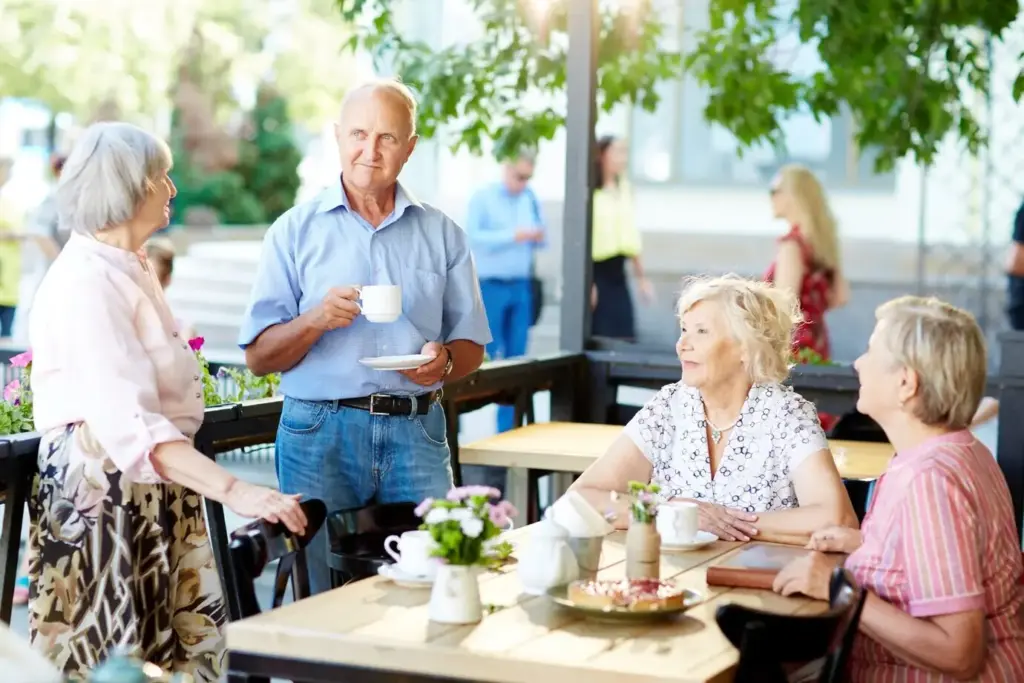
Pair class days with enjoyable anchors: a friendly coffee afterward, a short walk in nearby gardens, or a call with family to share your progress. Prepare a small dance bag the night before, including water and any essentials. Gentle stretches in the morning prime your body. When routines feel pleasant and predictable, motivation requires less willpower. Over time, your schedule becomes a supportive scaffold that protects joy and keeps momentum thriving.
Stories From the Dance Floor




Join In and Keep the Rhythm Going
How to Get Involved Today
Pick a nearby center, call to confirm the schedule, and circle a morning on your calendar. Lay out comfortable layers and fill a water bottle the night before. Arrive ten minutes early to introduce yourself and mention any modifications you prefer. After class, pause to notice how you feel—lighter, brighter, and proud. Then choose your next date, because a single decision often becomes the happiest routine of the season.
Share Your Favorite Songs
Music is the heartbeat that keeps feet moving and spirits high. Suggest classics you adore, modern tracks that feel uplifting, or childhood favorites that spark memories. Diverse genres make the room inclusive and playful. When your song starts, excitement boosts focus, and steps feel easier. Tell us what tunes make you smile, and we’ll keep building playlists that celebrate every voice and transform effort into something wonderfully enjoyable together.
Keep Learning Between Classes
Jot down a few steps after class while they’re fresh, or ask for a simple practice video to review at home. Five quiet minutes of marching and gentle side steps can sustain progress. Stretch calves, hydrate, and enjoy a short walk on off days. Share wins in the community chat or after-class coffee. Little actions compound, and soon routines that once felt mysterious become comfortable companions you genuinely look forward to meeting.
All Rights Reserved.